Heart supplements, the best ones for your heart health

February brings about lovey-dovey moments. Thank Valentine’s Day, for that one. Another thing you can thank it for is drawing attention to your heart, and not just of the emoji kind.
Your heart health is something to work on in February with supplements. That muscle ticks away, and you even sometimes feel it flutter when it does. A little loving can go a long way to improving your overall health from within.
This article reveals the best heart-healthy supplements you can take this February.
Omega 3s (EPA and DHA)
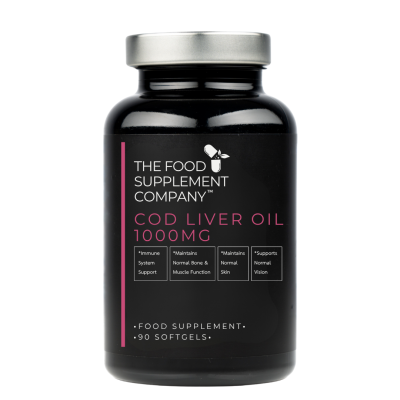
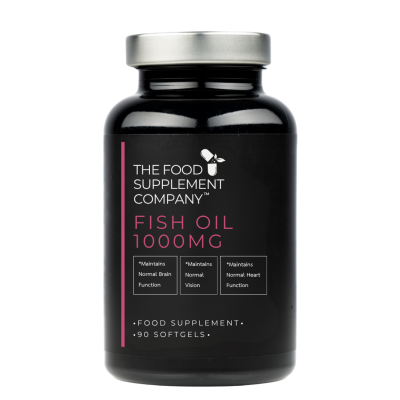
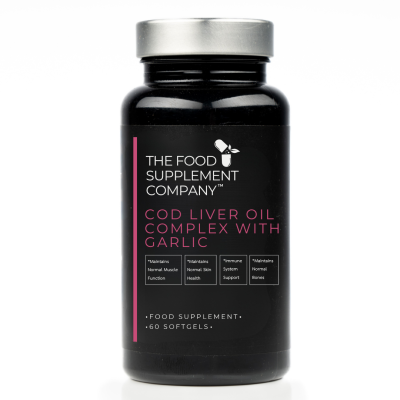
You’ll find omega-3s in cod liver oil, other fatty fish oils, and algae oil supplements (the vegan option). They’re great for your heart because they help to maintain normal blood cholesterol and reduce inflammation in a double act.
The two main omega-3s are DHA and EPA, which you’ll consume both of in one fish oil supplement most of the time. DHA is best for brain function, and EPA is the heart-lover.
Another omega-3 is ALA, which has indirect benefits to heart health -- your body converts it to DHA/EPA. You can get it from cold-pressed linseed oil.
Products to consider:
· Cod Liver Oil 1000mg Softgel Capsules
· Cod Liver Oil Complex with Garlic Softgels
· Cold Pressed Linseed Oil 1000mg
Vitamin B1, aka thiamine
Your heartbeat is fuelled by the energy your body makes available. B1 is a contributor to that necessary energy production, taking the nutrients you have and converting them into energy for normal heart function.
A vitamin B complex supplement is the typical way to improve your uptake. It could contain anywhere from 50% to 150% of your %NRV. FSC’s Vitamin B12 Complex Tablets meet 127% of your intake requirements.
The other B vitamins in a complex supplement play additional roles in your health and can help you feel more energetic overall.
Also check out:
· Vitamin B Supreme High Potency
CoQ10
The modernly-named Coenzyme Q10 is an antioxidant that your body produces but can struggle to maintain good levels of after the age of 40. It lacks EU-authorised health claims but is widely used for heart support.
Supplementing with Q10 capsules or tablets helps to top up levels of this fantastic antioxidant and cellular energy supporter. A 100mg daily capsule is all you need. FSC’s CoQ10 capsules have a vegan capsule.
Magnesium
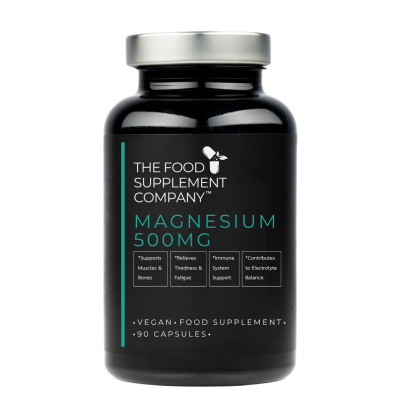
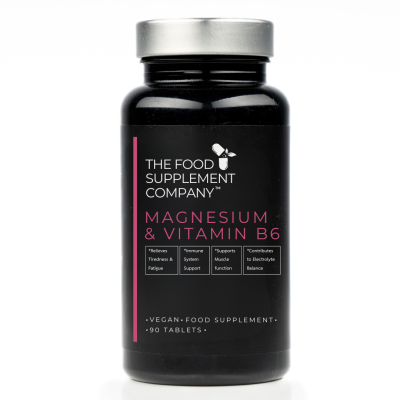
Magnesium is good for your muscles, of which your heart is certainly one. It supports normal muscle function and electrolyte balance -- electrolytes are important for your heart rhythm and the contraction of the myocardium.
You can take a pure magnesium product, such as 500mg capsules, or one that contains additional ingredients with health benefits, like Magnesium & Vitamin B6 and Magnesium 3 in 1 Complex Capsules, which triple up the magnesium forms.
Plant sterols/stanols
Plant sterol supplements are sold in capsules or tablets and are proven heart improvers via cholesterol reduction, blocking its absorption and lowering LDL.
A low daily phytosterol dose, around 100mg, such as that offered in Phytosterol & Vitamin C Complex Capsules, is one way to take a small amount with more of a wellness blend (vitamin C and chromium are its leading ingredients).
Effective sterol supplements contain circa 1,000mg to 2,000mg, and that’s generally touted as the best range to reduce your cholesterol.
How to start taking heart supplements
Straight up, your first port of call is your GP, doctor, or a private practice that can check for deficiencies in any vitamins and minerals, and test your lipid profile, with blood tests. That’ll give you a baseline to research the best supplements.
You should then:
- · Follow your doctor’s advice.
- · Research supplements from authoritative sources, such as FSC supplements, and for covered supplements, the EU register of health claims.
- · Consume supplements at the recommended dose.
- · Step down the dose to half if you experience any side effects and see how you get on.
- · Check the ingredients list for any additional supplements you take, to ensure that your overall dose of one ingredient doesn’t increase beyond what’s recommended.